where
MUSIC EDUCATION
meets
CULTURAL EXCHANGE

What is GLOBAL RESONANCE?
Global Resonance is an exploration of music education through the lens of culture, sound, and human connection. It is a living record of how music teaching and learning take shape across borders—inside classrooms, communities, traditions, and everyday life.
Through travel, observation, and collaboration with educators around the world, Global Resonance documents how different cultures approach music education and artistic expression. By listening closely to the sounds, practices, and philosophies that shape these environments, the project seeks to uncover what educators everywhere can learn from one another.
At its heart, Global Resonance is about listening: listening to music, to communities, and to the ideas that emerge when cultures meet.

Why does GLOBAL RESONANCE matter?
In a world where classrooms are increasingly connected and culturally diverse, music education cannot exist in isolation. The ways we teach, perform, and experience music are deeply shaped by culture, history, and community.
Global Resonance invites educators, students, and curious listeners to step outside familiar frameworks and consider how music education unfolds in other parts of the world. By sharing stories, soundscapes, reflections, and observations from global learning environments, the project encourages a deeper understanding of how music can build bridges between cultures.
For educators, these insights can inspire new approaches to teaching and learning. For students, they open doors to global perspectives. And for anyone who believes in the power of music, they reveal how sound resonates far beyond the classroom—connecting people, ideas, and traditions across the world.
LEARN
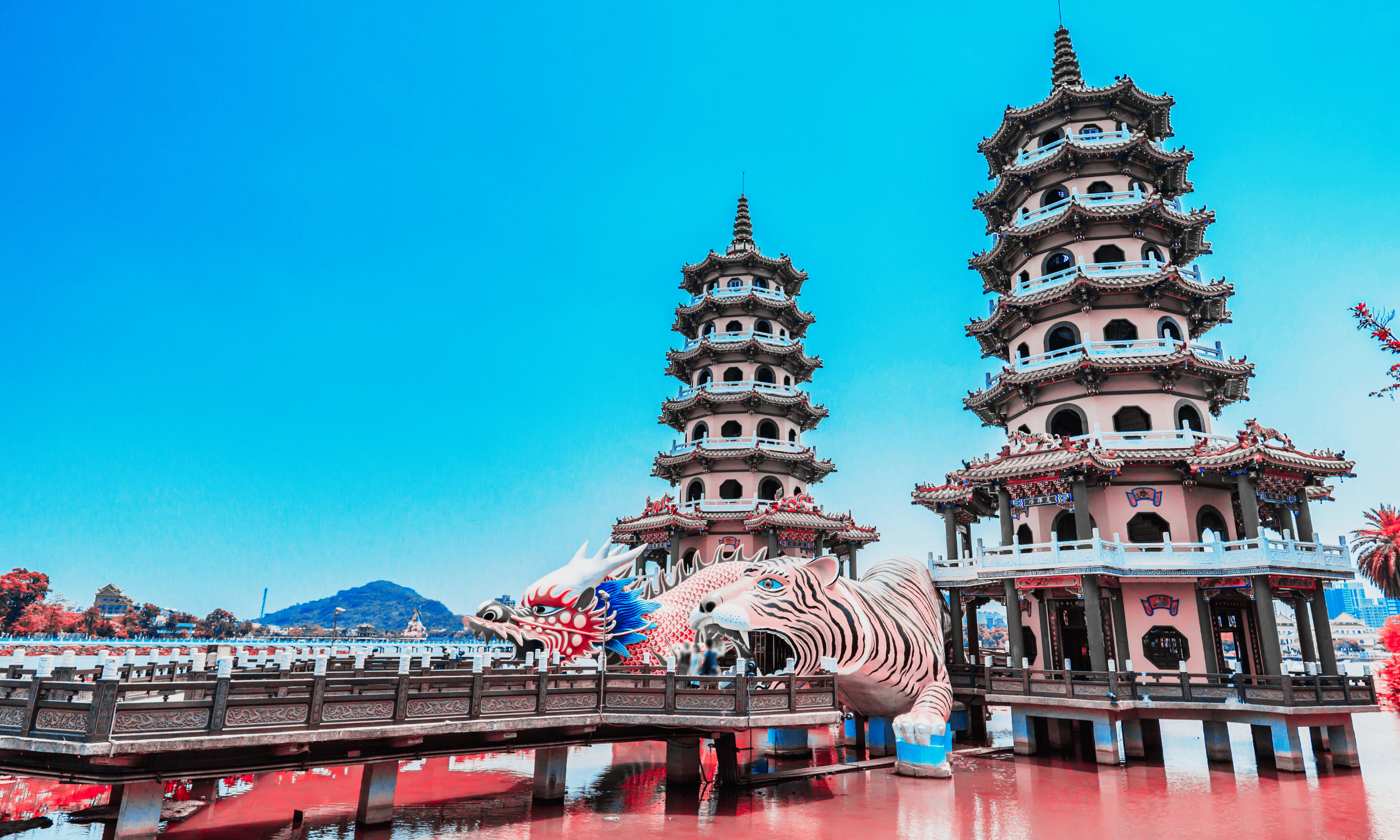
GLOBAL EDUCATION begins with understanding how cultures, perspectives, and learning connect across borders. The LEARN section explores the ideas that shape global competence and offers resources to help educators reflect on how global perspectives can inform teaching and learning.
WHAT ARE YOU LOOKING FOR?
Terms and Definitions
Professional Education Organizations
Classroom Resources and Tools
TEACH
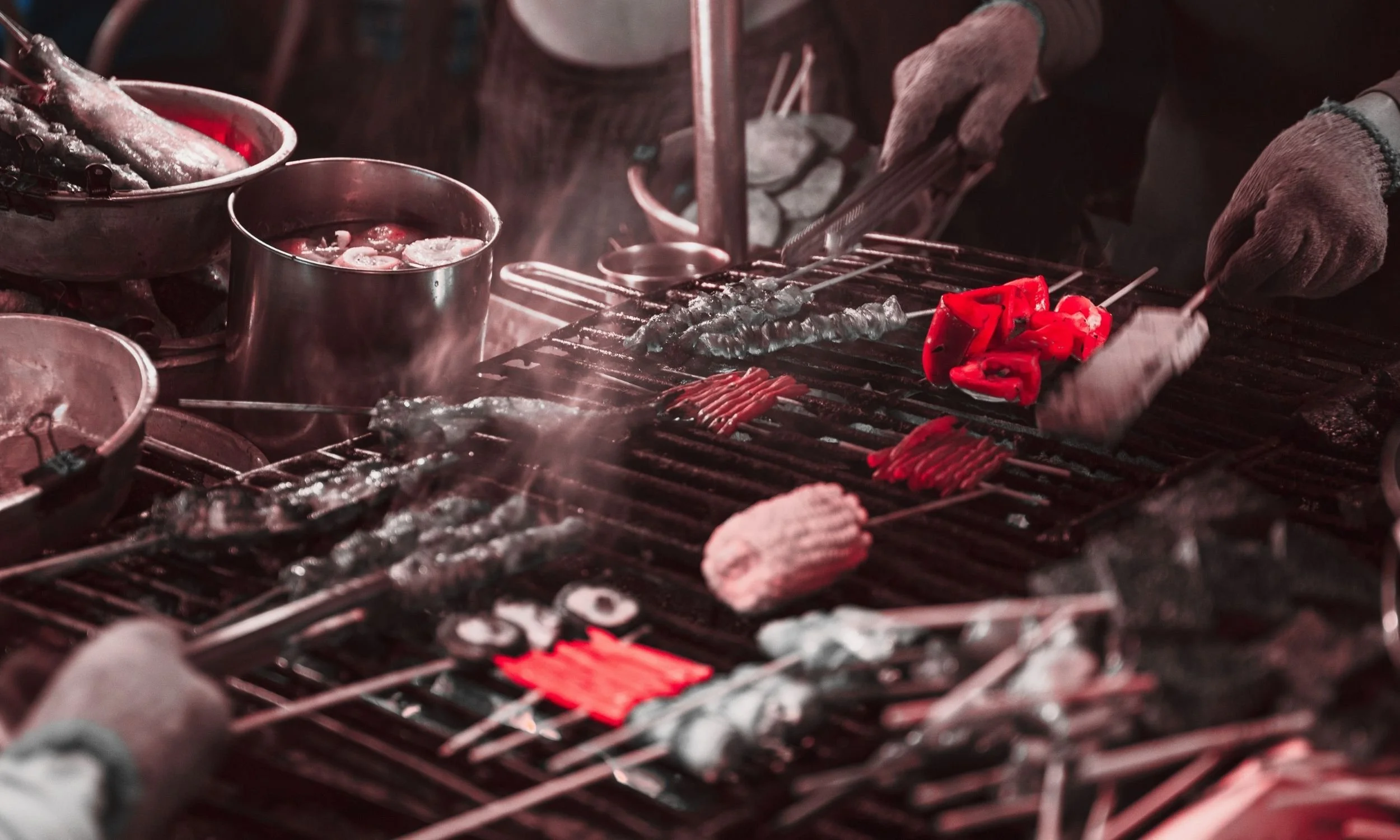
The TEACH section brings global education into the classroom through practical ideas, adaptable activities, and curated resources for educators. Designed to support teachers at any stage of their global learning journey, it offers inspiration and tools to help students explore music, culture, and perspectives from around the world.
WHAT ARE YOU LOOKING FOR?
Global Competency Toolkit loaded with Ready-to-Use Activities
Digital Tools for Global Educators
Local Community Resources
MY GUIDING QUESTION
How do policies and educational structures in Taiwan’s public school system support or limit equitable access to music and fine arts education, and what lessons might inform international practice?
REFLECTING ON THIS GUIDING QUESTION…
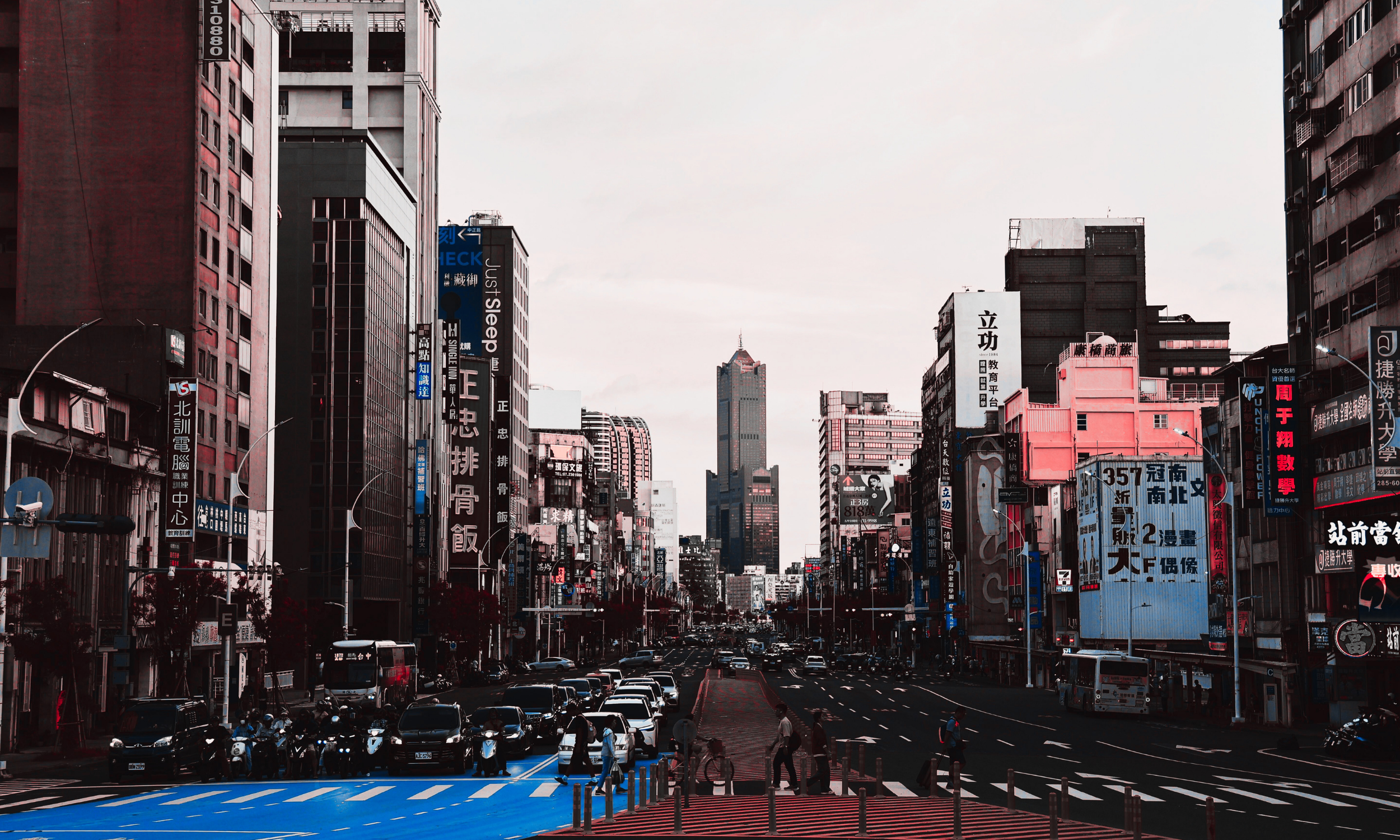
I arrived in Taiwan expecting to find answers primarily in music classrooms, ensembles, rehearsals, and conversations with arts educators. Instead, my experiences challenged me to think more broadly about where arts and cultural education happen and what equitable access can mean.
Throughout my school visits, I was surprised by how little traditional music and fine arts instruction I observed. Compared with my experience in American public schools, dedicated instructional time for the arts appeared limited in many of the settings I visited. At the same time, however, I was deeply impressed by the ways schools connected students to the culture, language, history, and traditions of their communities.
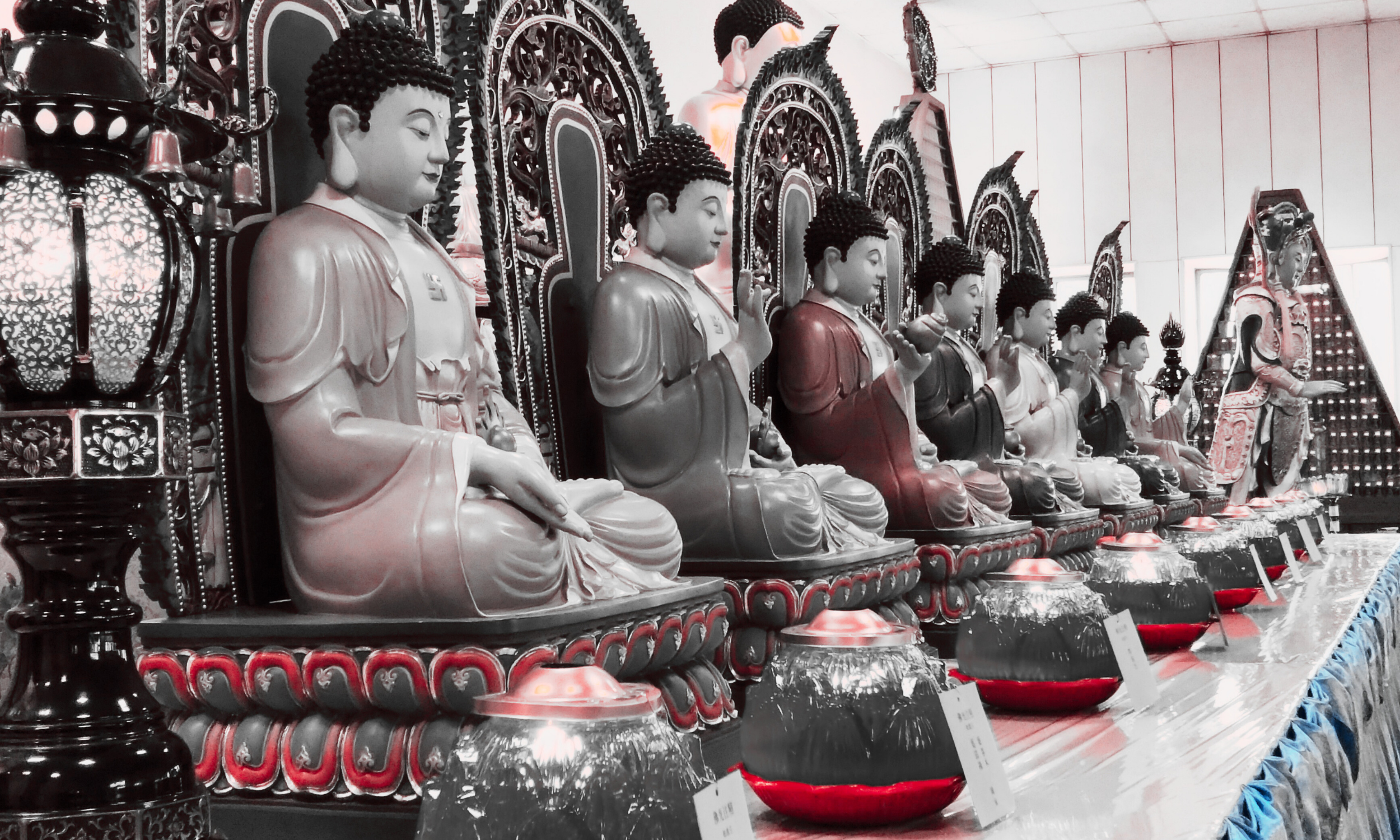
This was particularly evident during my time in Meinong in southern Taiwan and the surrounding Hakka community. Students were not simply learning about Hakka culture as something belonging to generations past. They were experiencing it as part of their own living identity. Language, music, food, agriculture, art, and community traditions became pathways for learning. I observed students navigating a multilingual environment that included Mandarin, English, and Hakka. I was in awe of teachers seamlessly employing multi-modal learning that celebrated cultural identity instead of ignoring it. This demonstrated how language education can simultaneously prepare students to participate in a global community while honoring and preserving a distinct local identity. Hakka music, cuisine, and cultural traditions were similarly treated as intellectual capital worthy of preservation and continued participation.
These experiences expanded my understanding of what arts education can look like. In the United States, I often think of access through the structures I know best. Can a student enroll in choir, band, orchestra, theater, or visual arts courses? Are schools providing the teachers, schedules, and resources necessary to sustain those programs? Taiwan reminded me that access to the arts can also mean ensuring students have opportunities to understand and participate in the cultural traditions of the communities around them.
At the same time, honoring culture and honing the skills of an artist are not interchangeable. Students benefit from opportunities to understand their artistic heritage, but they also need time and resources to develop skills as musicians and artists including creative thinking, exploration, improvisation, and the ability to test the limits of their imaginations. Equitable arts education should provide opportunities both to perpetuate culture and also to create within it.
Taiwan complicated rather than simply answered my guiding question. I witnessed educational structures that, from my narrow vantage point, appeared to limit formal arts instruction while simultaneously providing powerful models for connecting education to language, place, culture, and community. The lesson I bring home is that equitable arts education must make room for both. Students deserve opportunities to develop the skills of musicians, artists, and creators while discovering their own artistic voices. This is imperative because the ability to experiment, imagine, collaborate, and take risks allows students to create the art that will define their culture and their own generation. They must have both the skills and the freedom to create what comes next.
WHAT THIS MEANS FOR ME AS AN EDUCATOR…
My most profound takeaway from Taiwan as an educator is not a particular classroom strategy or educational practice that I hope to replicate. Instead, I return to my classroom with a richer understanding of what access can mean and a renewed responsibility to expand access. To consider whose culture, knowledge, and artistic experiences are recognized within the spaces I create for music learning and music making with my students. All students already enter the classroom carrying rich cultural knowledge; part of my responsibility is to create opportunities for that knowledge to be recognized, explored, and valued alongside the artistic traditions we formally study.
I also return with a more critically developed understanding of the difference between providing opportunity and creating access. Offering a course, ensemble, performance, or experience does not necessarily mean every student feels equally able to participate. As an educator, I want to look more intentionally at the structures surrounding those opportunities and ask who feels represented, who feels they belong, what barriers may exist, and what I can do to make participation more accessible. I need to be intentional in how my classrooms develop a sense of belonging.
My experience in Taiwan also reinforced the potential of music as a doorway into global inquiry. When my students encounter music from cultures beyond their own, I want them to respond to more than just notes, rhythms, and translated text. Technology and global resources make it increasingly possible for students to investigate the people, places, histories, languages, and contemporary lives surrounding the music they perform. They can even collaborate with their own peers from these places in educational exchange. Making the world the classroom. Through that exploration, repertoire can become an opportunity not simply to perform another culture’s music, but to approach it with curiosity, humility, context, and respect.
This is where the idea of Global Resonance has taken on deeper meaning for me. Resonance occurs when something begins to vibrate because it has been moved by something else. My experiences in Taiwan moved me, challenged my thinking, and continue to reverberate in how I understand my work as a music educator. I want to create opportunities for my students to experience that same kind of resonance. I want them to be moved by recognizing connections with people, cultures, ideas, and perspectives beyond their own, and to carry those experiences forward as they continue to make sense of the world around them.