Taiwan’s Mascot Culture
MOMENTS THAT RESONATE
It struck me, of all places, on the 89th floor of Taipei 101—one of the tallest buildings in the world. A travel companion was explaining to me exactly what a tuned mass damper was and why it was so important to the structural integrity of the building. In that moment, nearly a quarter mile above the city of Taipei, I swear I felt the building shift—and fear took hold quickly.
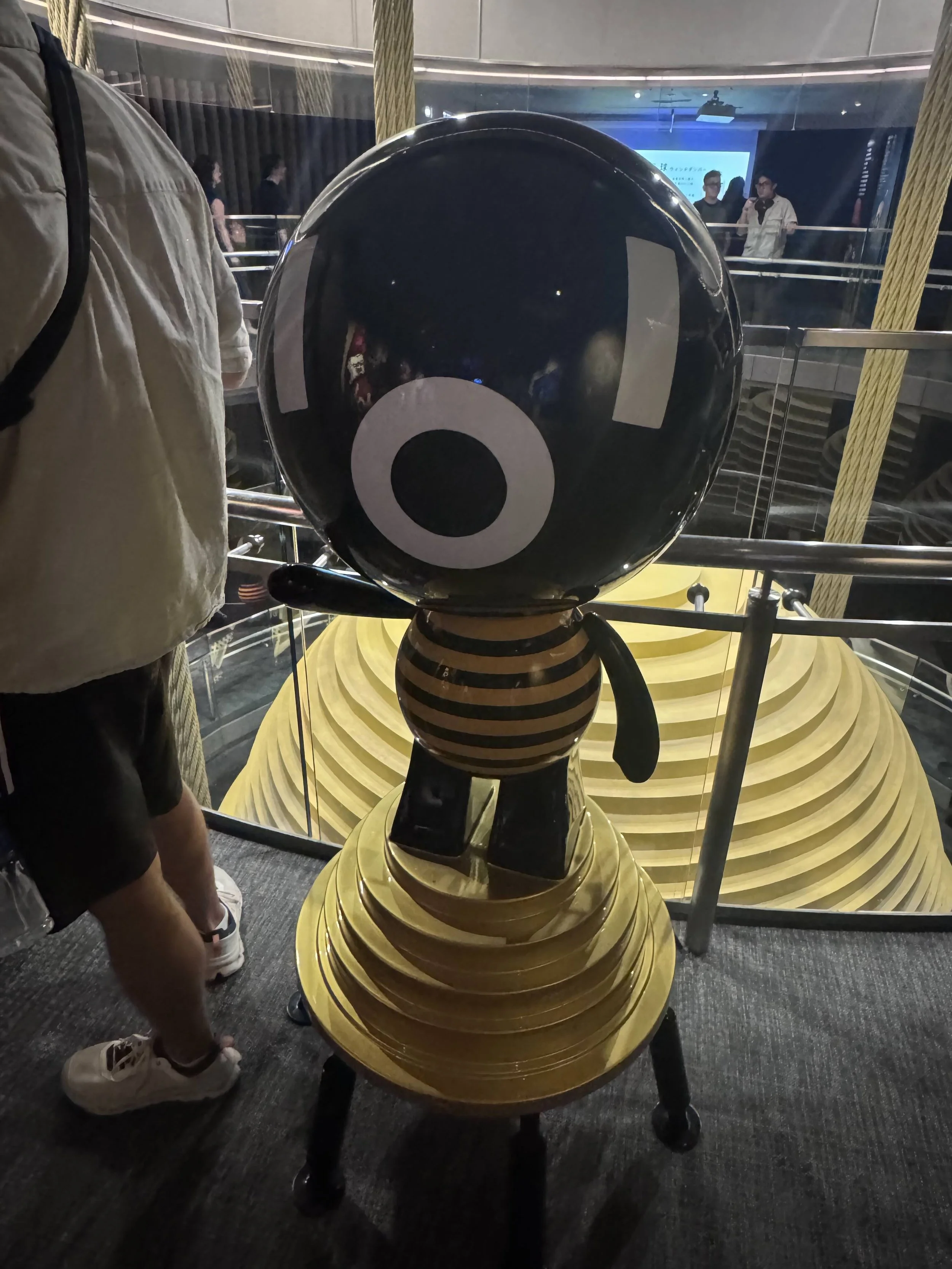
We entered a room where a giant steel sphere, weighing almost 1.5 million pounds, hung suspended from above, spanning nearly six floors in the center of the skyscraper.
“This thing is keeping us alive?” I thought.
Then the same companion who had just shown me the thing of my nightmares turned and introduced me to Damper Baby—the adorable mascot of Taipei 101. He’s the tuned mass damper personified: a round, spherical body, short stubby limbs, humorously distorted proportions, large wide eyes, and a slight, friendly grin. Instantly, he became the cutest 1.5 million pounds of life-saving steel I have ever seen.
Seriously? This thing is sooooooooooooooo cute.
There was even a small exhibit featuring his different personalities, colors, and costumes. His appearance changes for the seasons, for holidays, for Lunar New Year. Sometimes he even has small props. And once I saw this little blob of adorableness, I realized he was actually everywhere in Taipei 101. He had been there the whole time; I just hadn’t realized what he represented.
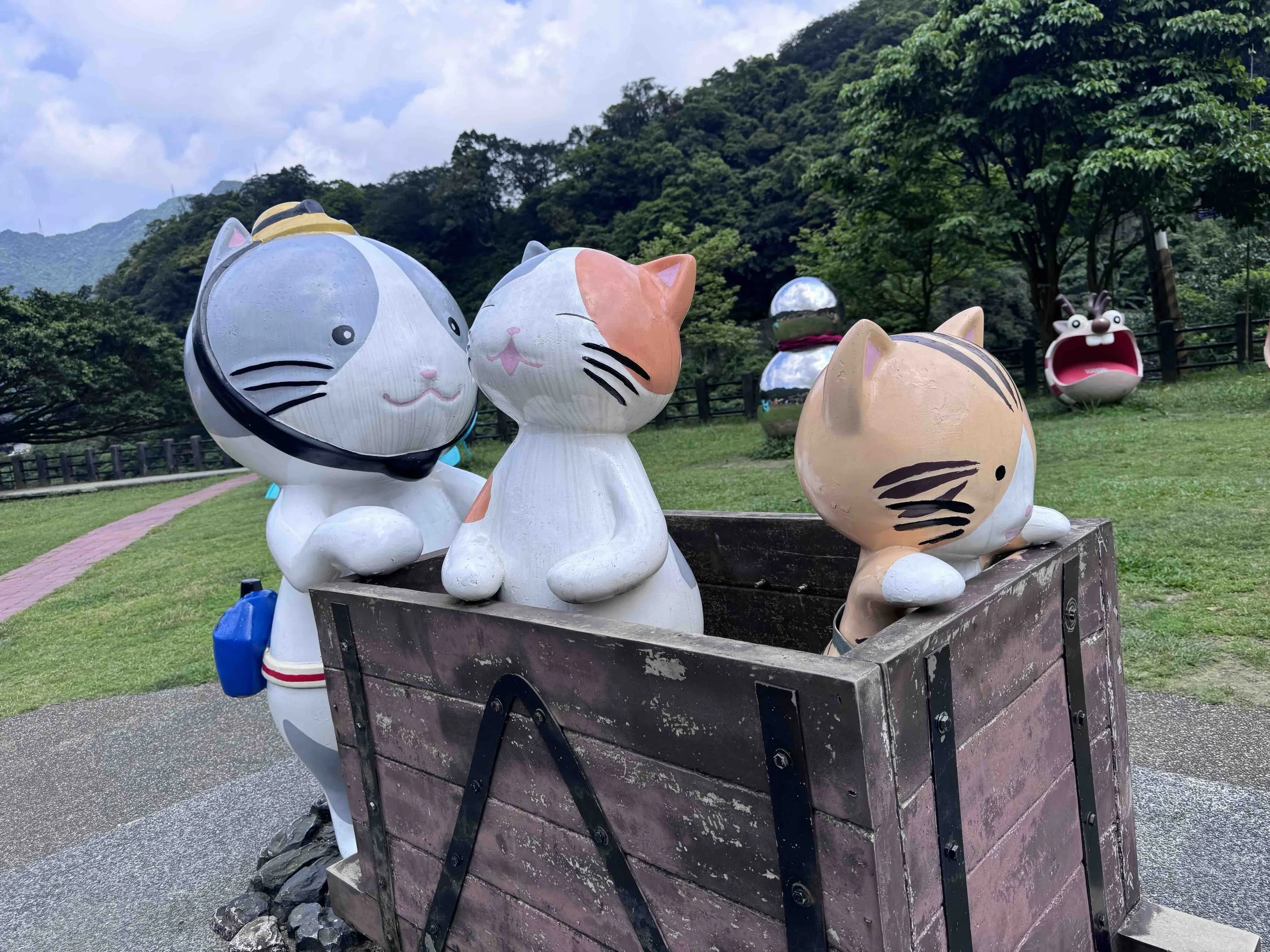
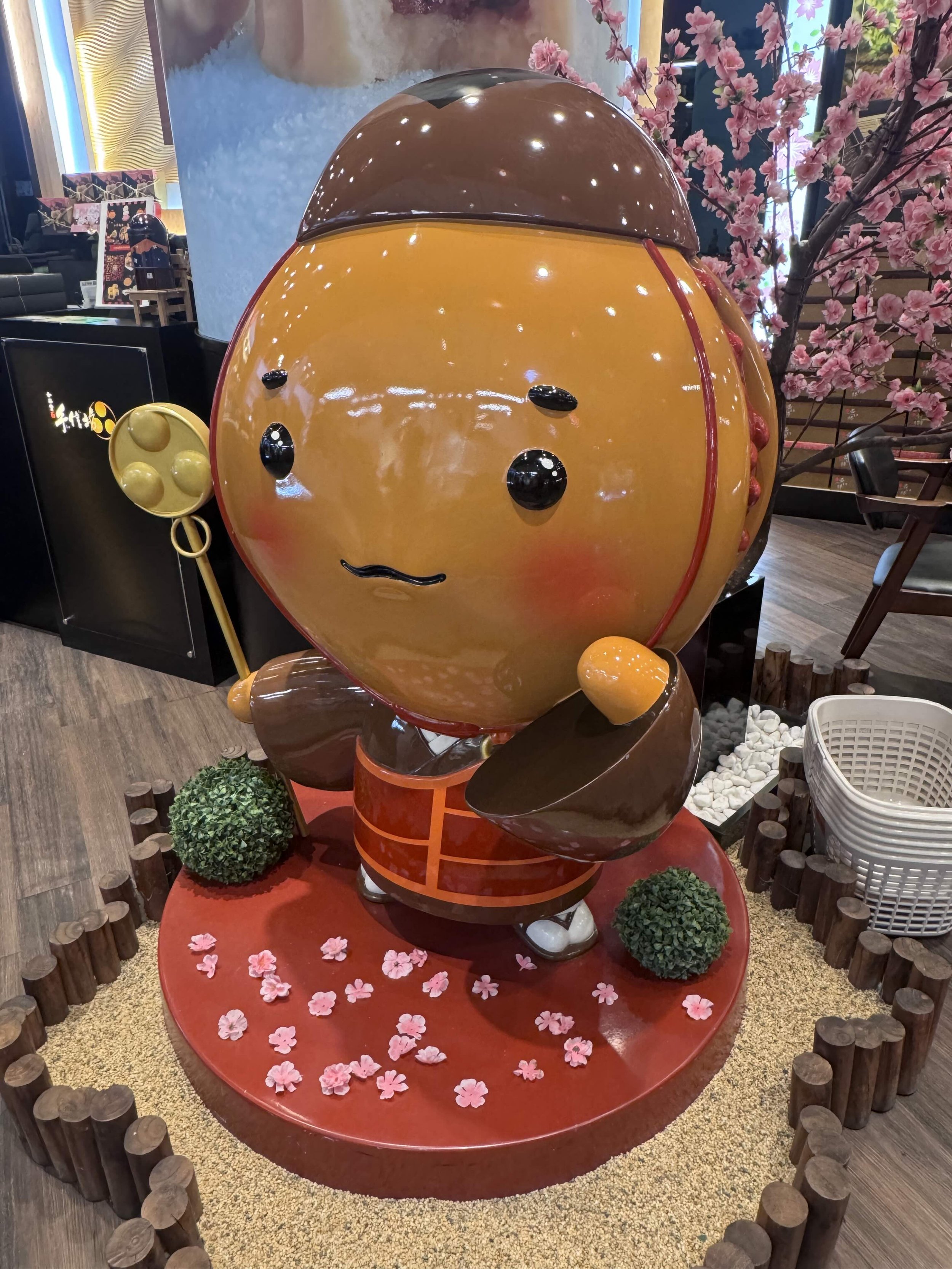
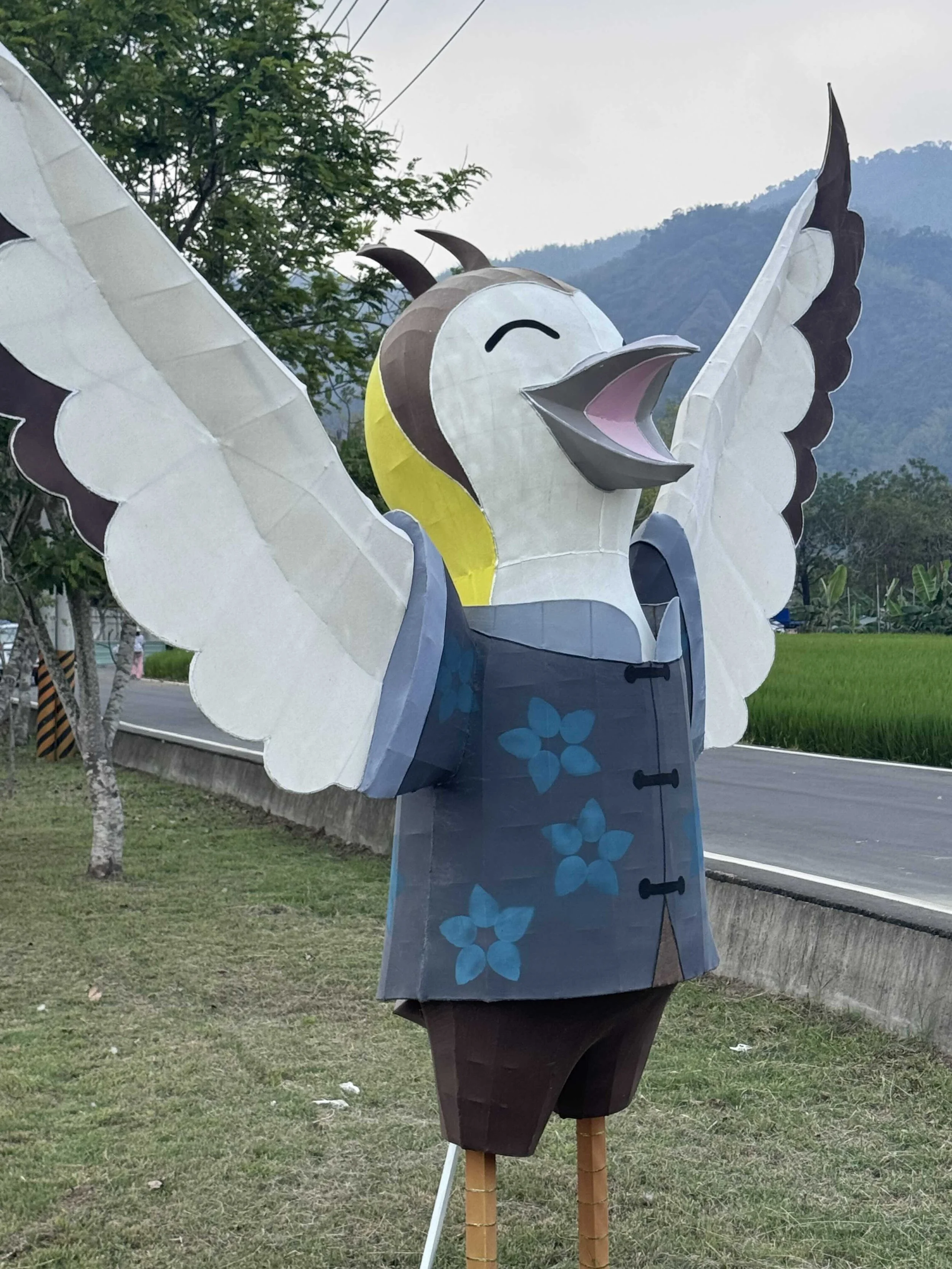
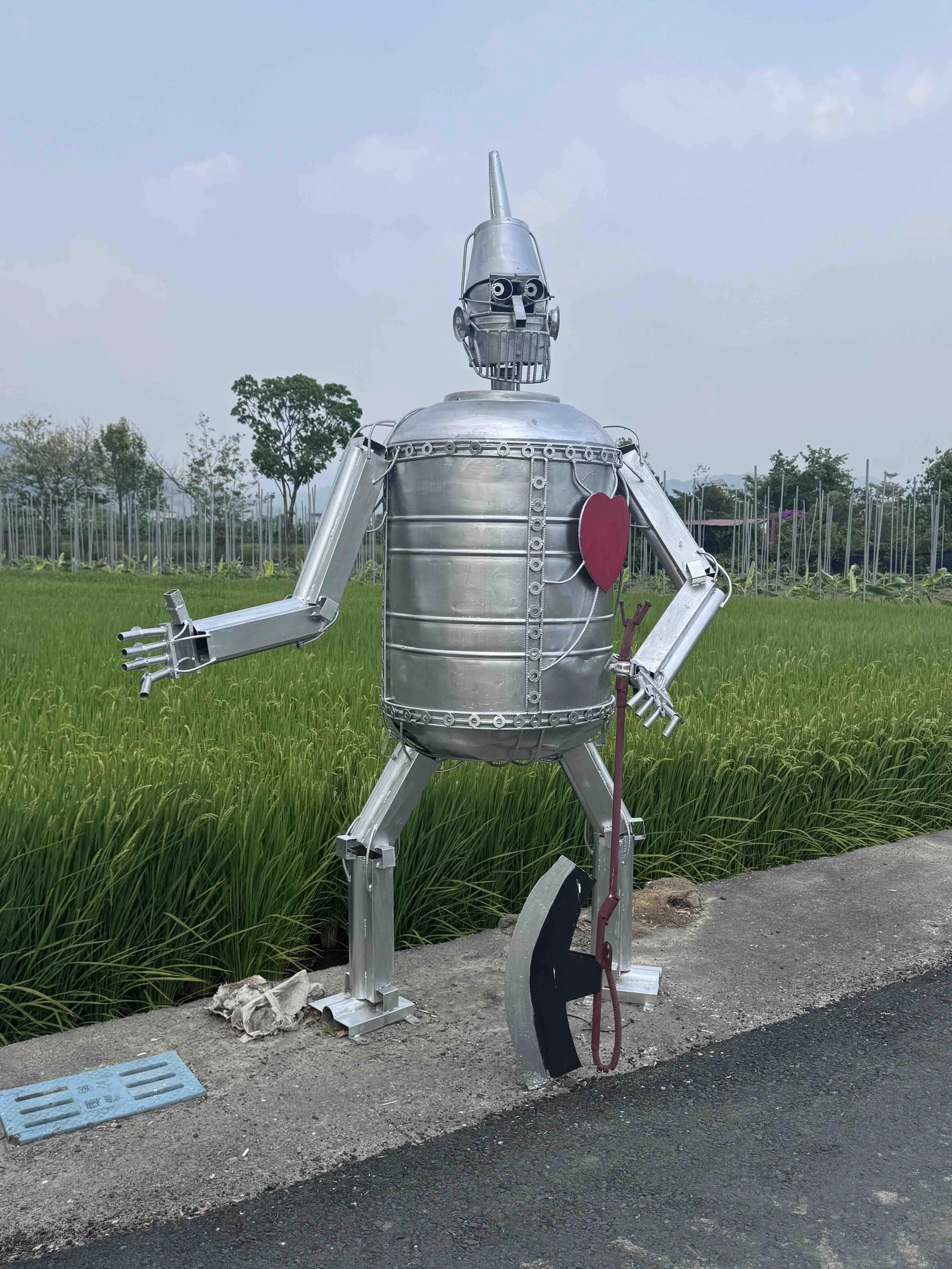
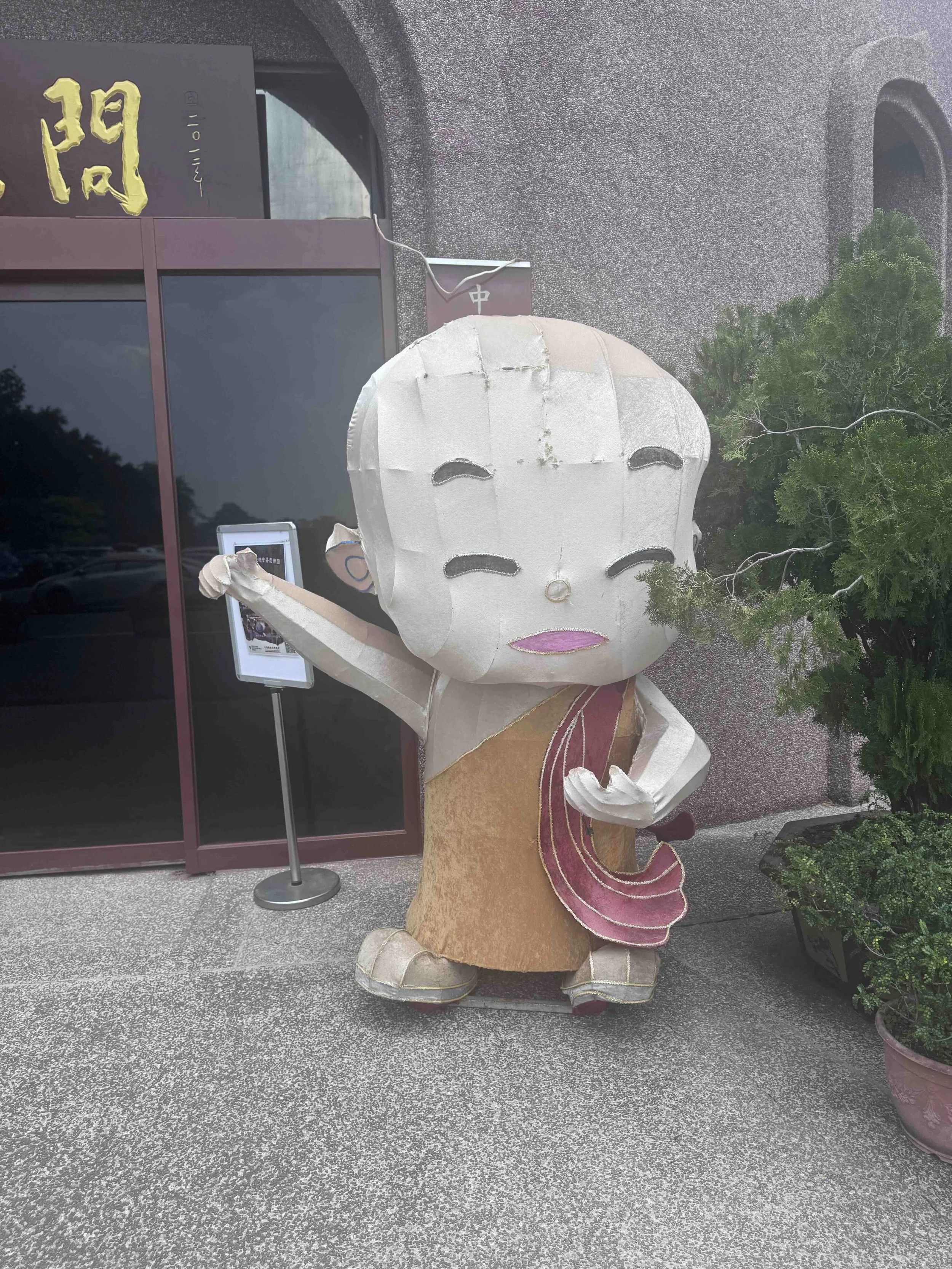
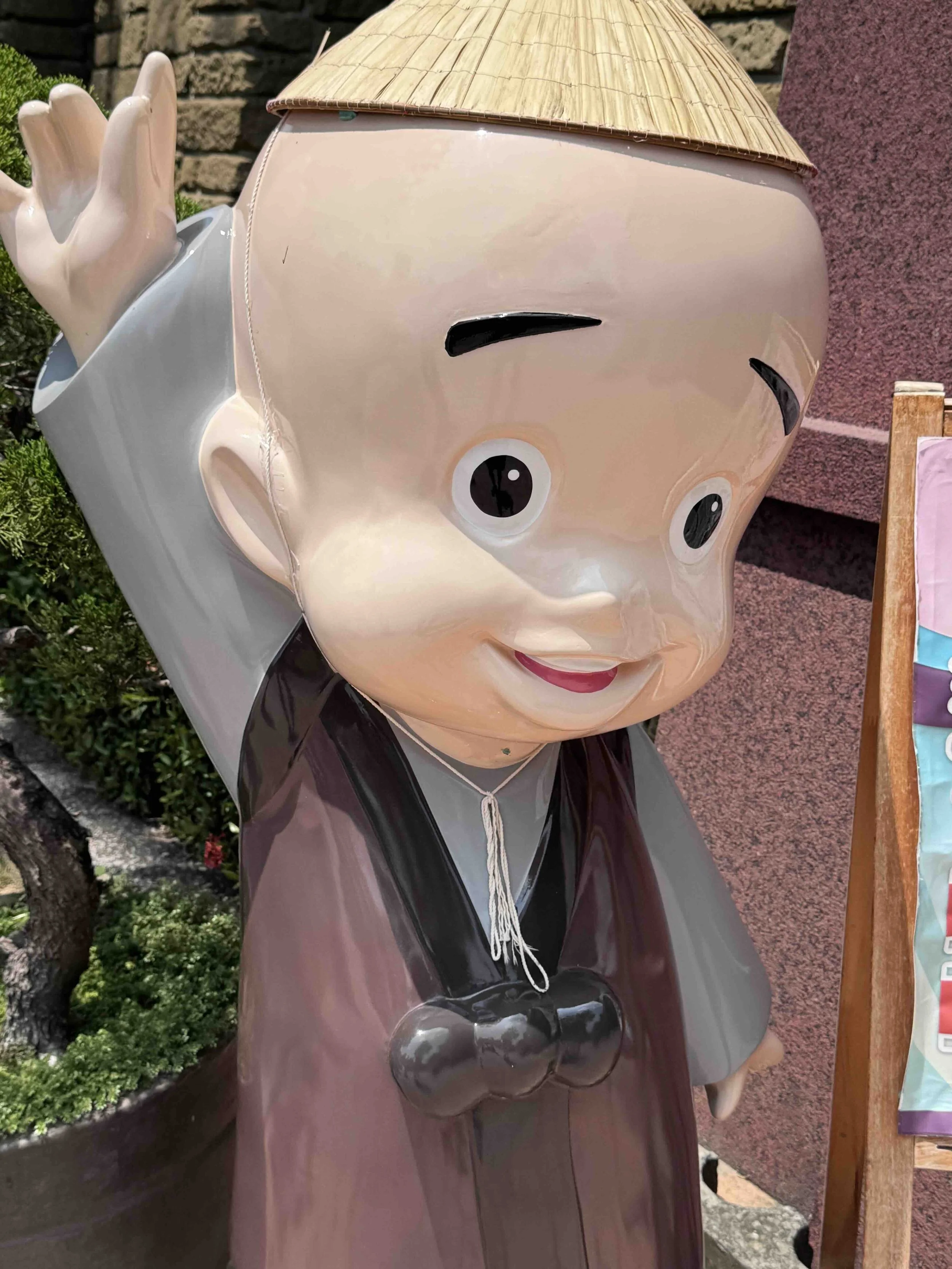
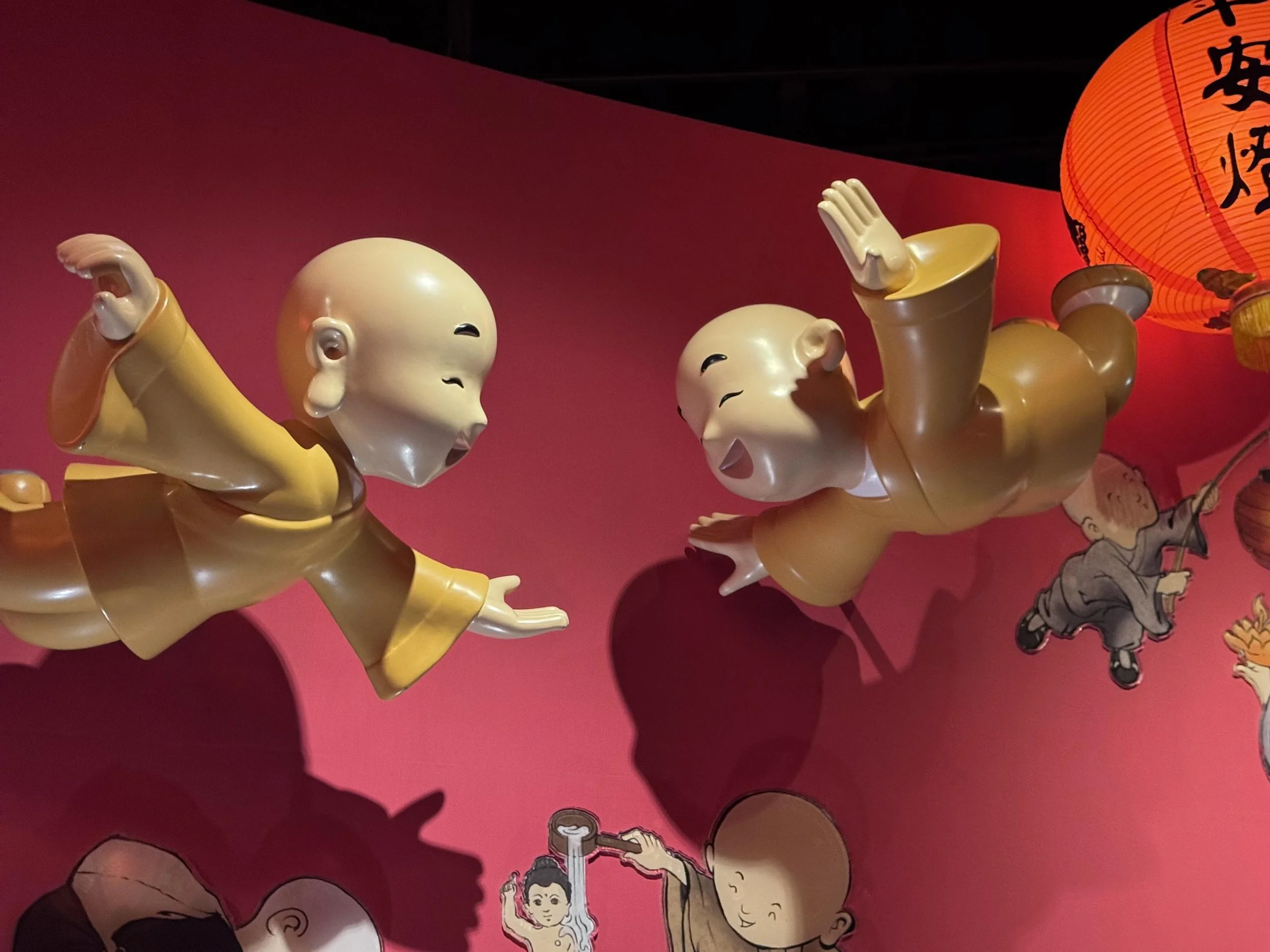
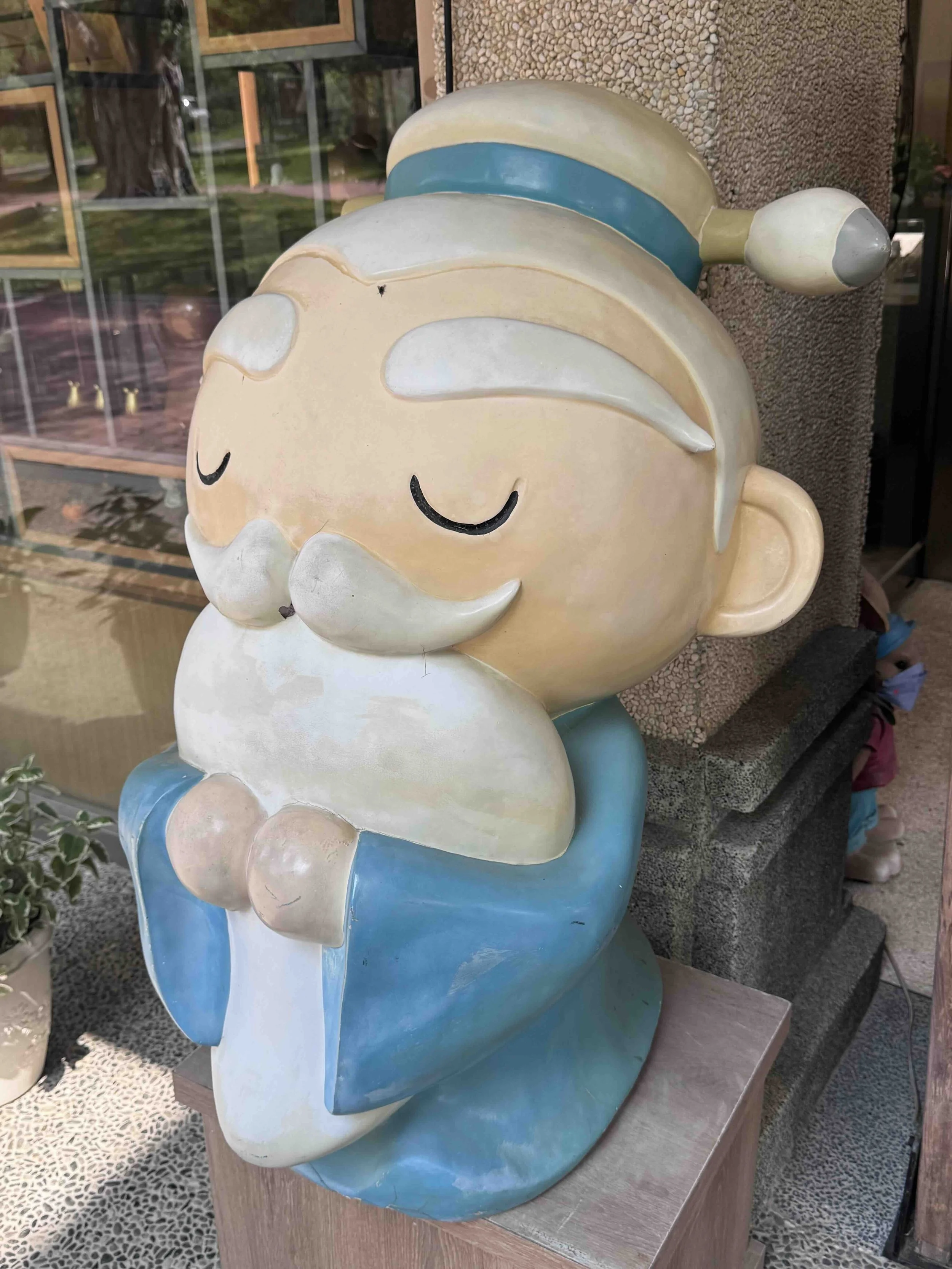
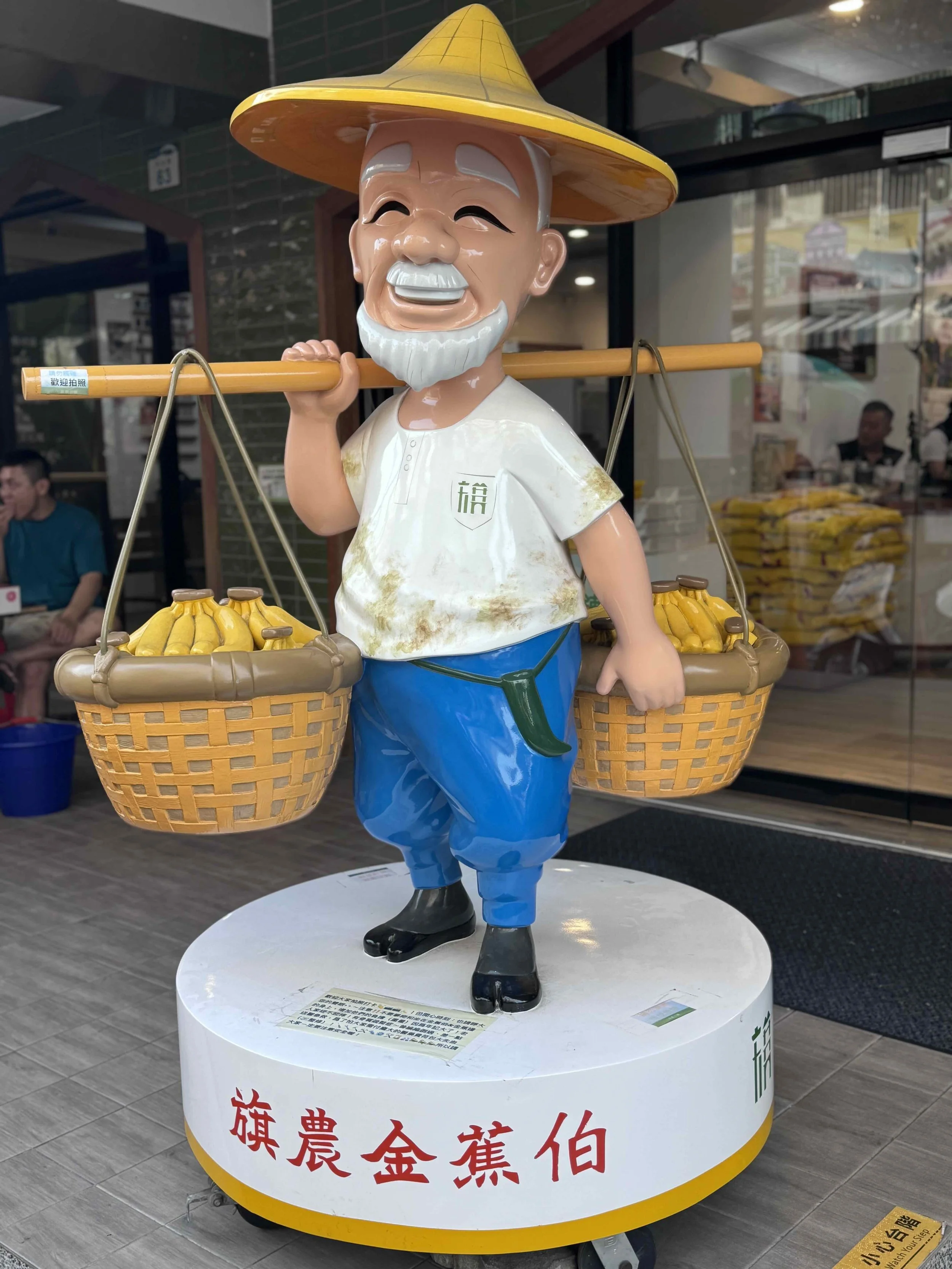
That’s the thing about mascots. They represent a repeated idea. They personify themes of friendliness, approachability, and a welcoming spirit. Each one carries those same ideas through a shared visual language. A mascot might look completely different or represent something entirely unique, but in the simplicity of its design, it becomes recognizable.
A motif.
This is storytelling but through visual cultural cues. These mascots aren’t random; they are a repeated idea.
Taiwan black bear? He’s the face of Taiwanese tourism.
A-Bian, the adorable dog, and his friends? They represent the Taipei Metro.
A capybara eating noodles? Yep. The family-owned restaurant around the corner.
Mascots are everywhere here. Their form is consistent… their meaning shifts.
As music students, you recognize musical motifs without always being able to name them or explain their function. It’s because of this that composers like John Williams can be so effective. You don’t need to see the shark in Jaws to know someone is about to be attacked. That two-note motif, plus someone in the water, means there’s about to be a whole lot of trouble.
Two notes… but wow do they create tension.
That motif gains meaning through context.
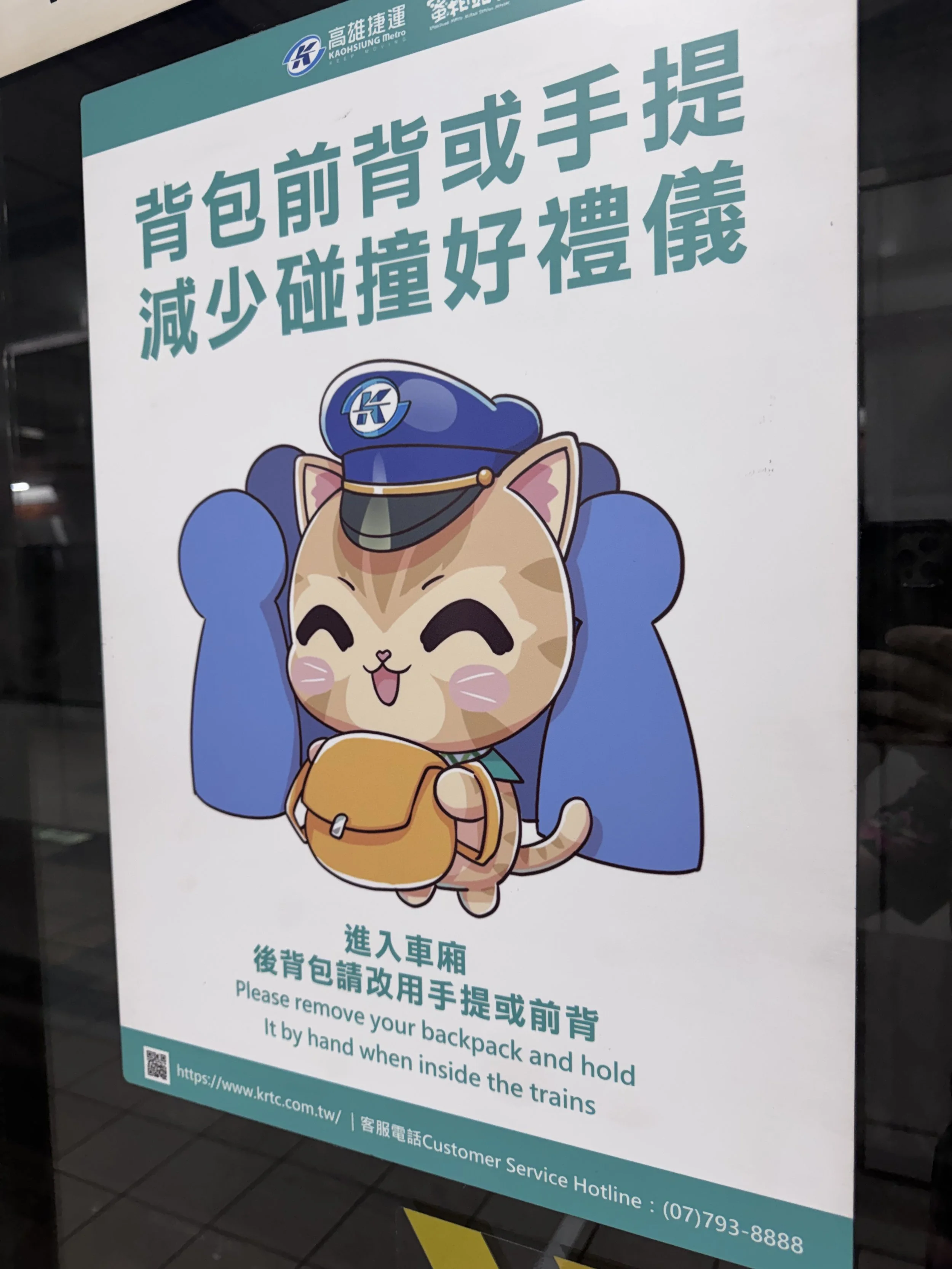
My realization is that cultures do the same thing—building meaning through recognizable patterns. Sound familiar? (I’m looking at you, the adorable little cat conductor in the Kaohsiung metro station that told me, “Be careful! Doors are closing! meow*)
In the case of Taiwan’s mascot culture, that meaning, built through context, centers on friendliness, approachability, and relatability.
So take a moment.
And look for the motifs around you.
